



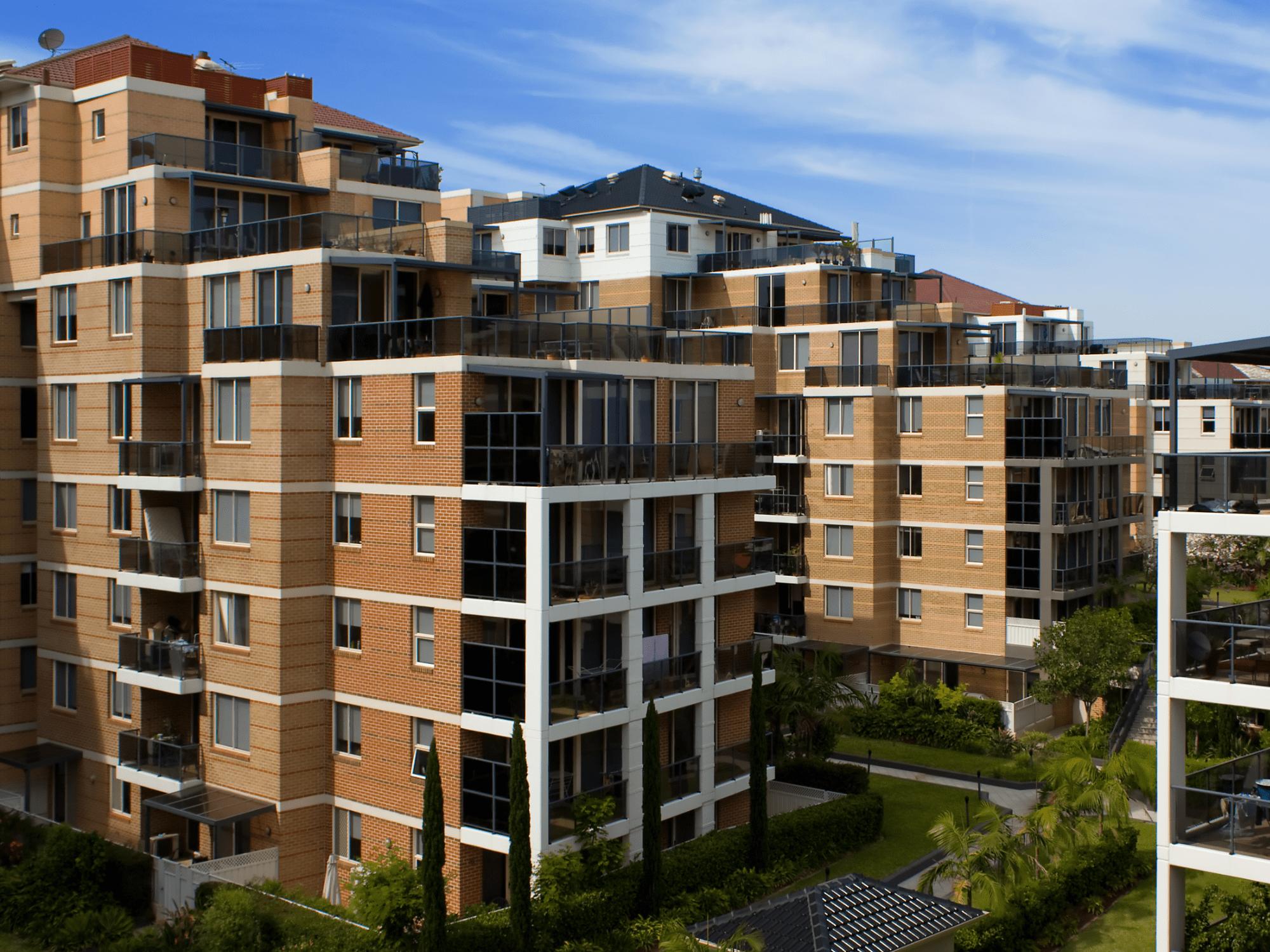
The role of private equity in affordable housing is far more nuanced—and far more impactful—than common narratives suggest.
As housing affordability trends continue to challenge working households across the U.S., private equity affordable housing investment has become a critical force in preserving and revitalizing the nation’s workforce housing supply. In 2026, demand for affordable rental housing continues to outpace supply, particularly as aging multifamily communities require significant reinvestment.
Across secondary and tertiary markets, private equity multifamily investments are increasingly focused on acquiring and rehabilitating naturally occurring affordable housing (NOAH)—properties that remain affordable due to age, design, or prior underinvestment rather than government subsidy. These investments play a pivotal role in maintaining access to safe, functional housing for essential workers while preventing long-term loss of affordability.
Understanding the true impact of private equity on affordable housing requires examining how private capital, operational expertise, and disciplined value-add strategies intersect to strengthen communities and preserve housing stability.
Workforce housing investment targets Class C and older Class B multifamily properties that form the backbone of America’s affordable rental inventory. These properties serve households earning moderate incomes and are essential to local economies.
Workforce housing communities commonly house:
Despite its importance, workforce housing supply has steadily declined. Rising construction costs, zoning restrictions, and limited feasibility for new affordable development have placed immense pressure on older properties. As population growth accelerates in secondary markets, the affordability gap continues to widen—outpacing the capacity of public funding alone.
This is where affordable housing private sector investment becomes indispensable.
The U.S. housing shortage cannot be solved through public funding alone. With new construction costs at historic highs, private capital real estate investment has emerged as a stabilizing force for existing housing stock.
Private equity firms focused on workforce housing are uniquely positioned to:
When executed responsibly, these investments improve resident outcomes while maintaining attainable rent levels for working households.
A cornerstone of private equity affordable housing strategy is value-add affordable housing, which prioritizes rehabilitation over replacement. Unlike luxury repositioning strategies, value-add workforce housing focuses on restoring livability, safety, and operational durability.
Typical value-add initiatives include:
These improvements extend the life of NOAH assets, stabilize occupancy, and enhance resident quality of life.
Learn more about this approach through our overview of value-add multifamily investments.
The most meaningful impact of private equity on affordable housing often comes from operational execution rather than capital alone.
Vertically integrated private equity firms bring a level of institutional discipline that includes:
Smaller ownership structures often lack the resources required to maintain aging housing stock, leading to deterioration over time. In contrast, institutional private equity operators elevate standards of stewardship, accountability, and long-term performance.
Public discourse frequently suggests that private equity investment undermines affordability. While poor operators can create negative outcomes, responsible firms focused on workforce housing typically produce measurable benefits.
In well-managed private equity multifamily investments:
When aligned with ethical operations and long-term ownership, private equity can strengthen—not erode—housing affordability.
Affordable housing challenges vary regionally, but secondary and tertiary markets face distinct constraints. Population migration, job creation, and limited new construction continue to drive demand.
Private equity investment in these markets enables:
Because public funding is often limited, private reinvestment plays an outsized role. Learn more about our strategy for secondary-market acquisitions and why these regions are essential to long-term housing stability.
Beyond financial metrics, private equity affordable housing investment generates tangible community benefits. Well-managed workforce housing supports local economies, improves neighborhood conditions, and strengthens social stability.
Community outcomes often include:
When resident experience is prioritized, the positive effects extend far beyond individual properties.
Not all private equity firms approach affordable housing with the same discipline. Investors evaluating workforce housing investment opportunities should focus on operators demonstrating:
Operational Integrity
A proven record of stabilizing and improving communities
Vertical Integration
In-house management, construction, and leasing teams
Long-Term Orientation
Focus on sustainable performance over short-term rent escalation
Community Commitment
Consistent reinvestment in safety and resident well-being
Transparency
Clear communication, reporting, and investment strategy
Alignment across these factors enables private equity to deliver both financial durability and social impact.
The real impact of private equity on affordable housing extends well beyond returns. Across the U.S., private equity affordable housing investment is preserving naturally occurring affordable housing, stabilizing aging multifamily communities, and improving living conditions for America’s workforce.
As housing affordability trends continue to intensify, responsible private capital will remain essential to sustaining the rental housing ecosystem. Investors who understand workforce housing dynamics and partner with experienced, vertically integrated operators will help shape safer, stronger, and more resilient communities—while generating durable long-term value.

